A fifth rate rise for 2026
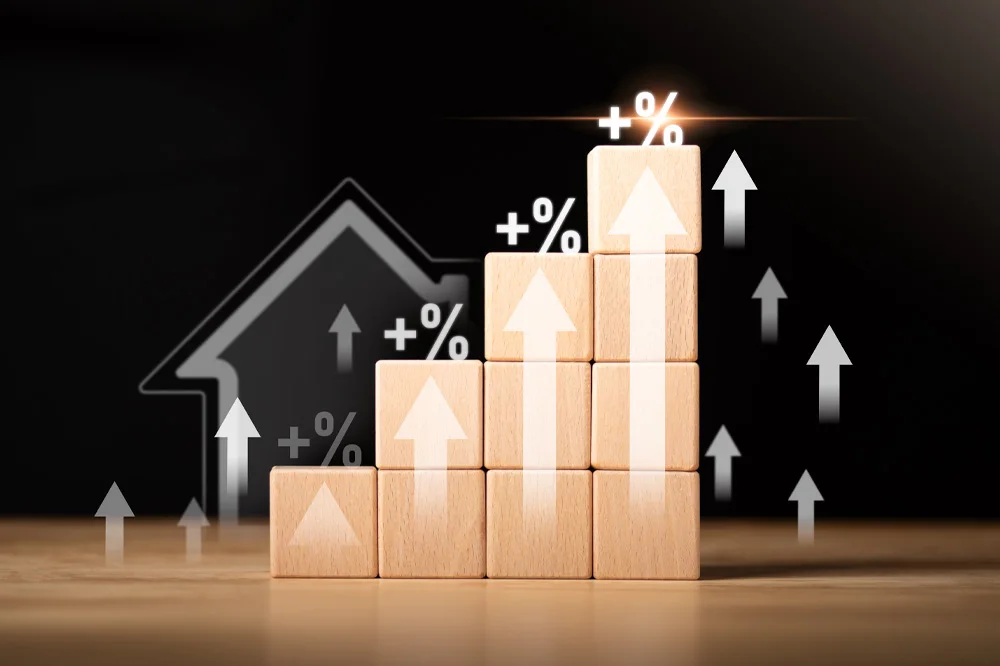
On 3 November 2026, the Reserve Bank of Australia lifted the official cash rate by 0.25 percentage points, from 4.60% to 4.85%. This is the fifth increase this year, coming just five weeks after the September rise.
This time, however, the decision was not unanimous. Six members of the Monetary Policy Board voted to raise rates, while three voted to hold the cash rate at 4.60%. That split tells us the Board is weighing a genuine trade-off: inflation that is proving stubborn on one side, and an economy that is clearly slowing on the other. For borrowers, it is a reminder that the path ahead remains uncertain, and that now is a good time to make sure your finances are set up to cope.
Inflation is broader, and stickier, than hoped
The latest inflation figures sealed the decision. Australian Bureau of Statistics data showed annual headline inflation rising from 4.0% in August to 4.3% in September, while underlying inflation edged up from 3.5% to 3.6%. Both remain well above the RBA’s 2 to 3% target band.
More telling was the RBA’s own assessment. The Board noted that inflation “remains elevated and recent data indicate that it is broadly based.” In other words, this is no longer just a story about petrol prices. Price pressures are showing up across a wide range of goods and services, and the RBA’s business liaison found that many firms are either lifting their prices or planning to.
The forecasts have shifted materially
Perhaps the most important detail for borrowers sits in the RBA’s updated forecasts. Inflation is now expected to remain elevated through much of 2027 and is not forecast to return to the top of the target range until late 2027. That is around three quarters later than the RBA expected just three months ago.
The Board pointed to several drivers behind this revision:
- Higher fuel and commodity prices linked to the unresolved conflict in the Middle East, which are now flowing through to the prices of other goods and services
- Rapid price growth in technology-related goods, driven by global AI-related investment
- Domestic capacity pressures that are a little tighter than previously thought, with weak productivity growth limiting how fast the economy can grow without adding to inflation
These are the same three risks the Board flagged in the minutes of its September meeting, when members warned they were prepared to raise rates further if necessary. Those risks have now largely materialised.
The real concern: embedded expectations
The Board was candid that it is “conscious of the period in which inflation has been too high.” It also warned of an increasing risk that higher inflation expectations will become embedded, noting that some measures of expectations have risen lately. Once businesses and workers expect high inflation to continue, it tends to show up in pricing and wage decisions, and becomes much harder to bring down.
The economy is slowing
The other side of the ledger explains the three dissenting votes. The RBA acknowledged that “the economy is slowing, housing prices have fallen significantly and the unemployment rate has risen.” It expects higher rates and falling housing prices to weigh on household spending and home building over the coming year, and it now projects the unemployment rate to rise more than expected in August. Business investment, including in data centres, is the main bright spot.
Higher for longer: the 2027 outlook
The Board has not signalled an end to the tightening cycle. It said it “will continue to do what it considers necessary to bring inflation sustainably back to target.” With inflation forecast to stay above 3% for the coming year, borrowers should plan for rates to remain elevated well into 2027, while recognising that a slowing economy could eventually change the Board’s thinking.
Counting the cost of a year of rises
Take a borrower with a $750,000 home loan on a 30-year principal and interest term. This latest move adds roughly $125 to their monthly repayment. Stack all five of this year’s increases together and that same household is now finding around $600 more every month than it was in January, or more than $7,000 a year. Your numbers will vary with your balance, loan term, and how quickly your lender passes the rise on, but the direction is the same for every variable-rate borrower.
What makes this rise different is the timeline. With inflation now not expected to settle back into the target range until late 2027, the question for most households is no longer how to get through a few tight months. It is how to stay comfortable if rates stay at or near these levels for another year or more.
Business owners face a double squeeze. Variable rate business loans, overdrafts, and equipment finance are being repriced at the same time softer consumer spending is putting pressure on revenue. If you are self-employed, you should review your mortgage and business borrowing side by side.
Five questions to ask about your finances now
Rather than waiting to see what the RBA does at its next meeting, it is worth stress-testing your position today. These five questions are a good place to start.
1) When did you last compare your rate?
Here is the silver lining: lenders are still competing hard for good borrowers. Many are offering sharper pricing, and sometimes cashback incentives, to attract new customers, while long-standing customers are often left on higher rates. If your loan has not been reviewed in the past 12 months, there is a fair chance a better deal exists, either through a repricing request with your current lender or a refinance elsewhere.
2) How much of a buffer do you have?
A cash buffer in an offset or redraw facility is your best protection against further rises or an unexpected drop in income. If yours has been shrinking, it is worth looking at how to rebuild it, and whether money sitting in a separate savings account would work harder in an offset.
3) Is your loan structure still right for today?
The structure that suited you two years ago may not suit a higher rate environment. A split between fixed and variable can bring more certainty to your budget, while a longer loan term or a period of interest-only repayments can free up monthly cash flow when you need it most. Each comes with a cost over the life of the loan, so the right choice depends on what you are trying to achieve.
4) Are other debts quietly eating your income?
Credit cards, car loans and personal loans can carry rates several times higher than your mortgage. Bringing them under a simpler, lower-cost arrangement can make a noticeable difference to what leaves your account each month.
5) Do you know exactly where your money goes?
Most people underestimate their monthly spending. A budget health check works through your regular outgoings line by line, from insurance premiums and energy plans to streaming services and discretionary spending and often uncovers savings that more than cover a rate rise.
Get a clear plan before the next rate decision
If any of those questions gave you pause, let’s work through them together. I offer a free, no-obligation review where we compare your current rate with what is on offer across my lender panel, test whether your loan structure still fits, and review your budget to find practical savings. For self-employed clients, we can look at your personal and business lending in one conversation.
You will walk away knowing exactly where you stand and what your options are. To book a time that suits you, reach out today: